

We condemn Haiti’s de facto government for its waste and impunity, yet applaud its officials when they visit our communities. For days, I have debated that contradiction with friends whose love for Haiti I do not question, but our disagreement has raised a broader question about our relationship with political power.
During the World Cup, the prime minister and other officials traveled to support our Grenadiers while millions of Haitians struggled to eat and armed groups controlled much of the capital. Officials collected per diem allowances, while consular offices covered their expenses. Since then, community organizations have welcomed government representatives as honored guests. What troubles me is not their presence but how readily we join the celebrations, overlooking waste we routinely condemn.
We question the government’s legitimacy and denounce its failures, yet when its representatives enter our community spaces, we celebrate them rather than holding them accountable.
Are we not lending credibility to the very people we demand accountability from?
Some of my friends argued that relationships with officials are necessary. I agree, but I want to distinguish between engagement and endorsement. Their arguments made me wonder whether anger was clouding my thinking or whether we had grown so accommodating to power that we lost sight of our compromises.
What Are We Giving Away?
Haiti’s de facto government knows it lacks legitimacy and understands the value of public support. Its officials seek recognition from respected organizations and individuals to gain the legitimacy they lack. Why, then, would we publicly honor officials whose conduct we condemn? And when we accept public funds from their government, what, if anything, are we expected to give in return?
They also understand that, in our political culture, proximity to power has often become a measure of social importance and influence. As a result, we seek relationships with decision-makers and confuse being in the room with having the power to influence what happens there.
I have watched people who once challenged corruption become entangled in the arrangements they opposed. This rarely happens because they suddenly abandon their principles. It happens gradually, through relationships, appointments, funding, and promises of influence, until maintaining access becomes more important than challenging the conduct they once condemned.
An organization may believe it is building relationships that benefit Haiti while the officials it honors gain credibility without accountability. Both may leave satisfied, but what has changed for the Haitian people? These encounters carry political consequences. When community leaders appear to accommodate the officials they publicly criticize, they risk losing the moral authority needed to mobilize people.
The price is not merely compromising one’s principles. It may be the loss of the public trust necessary to organize collective power.
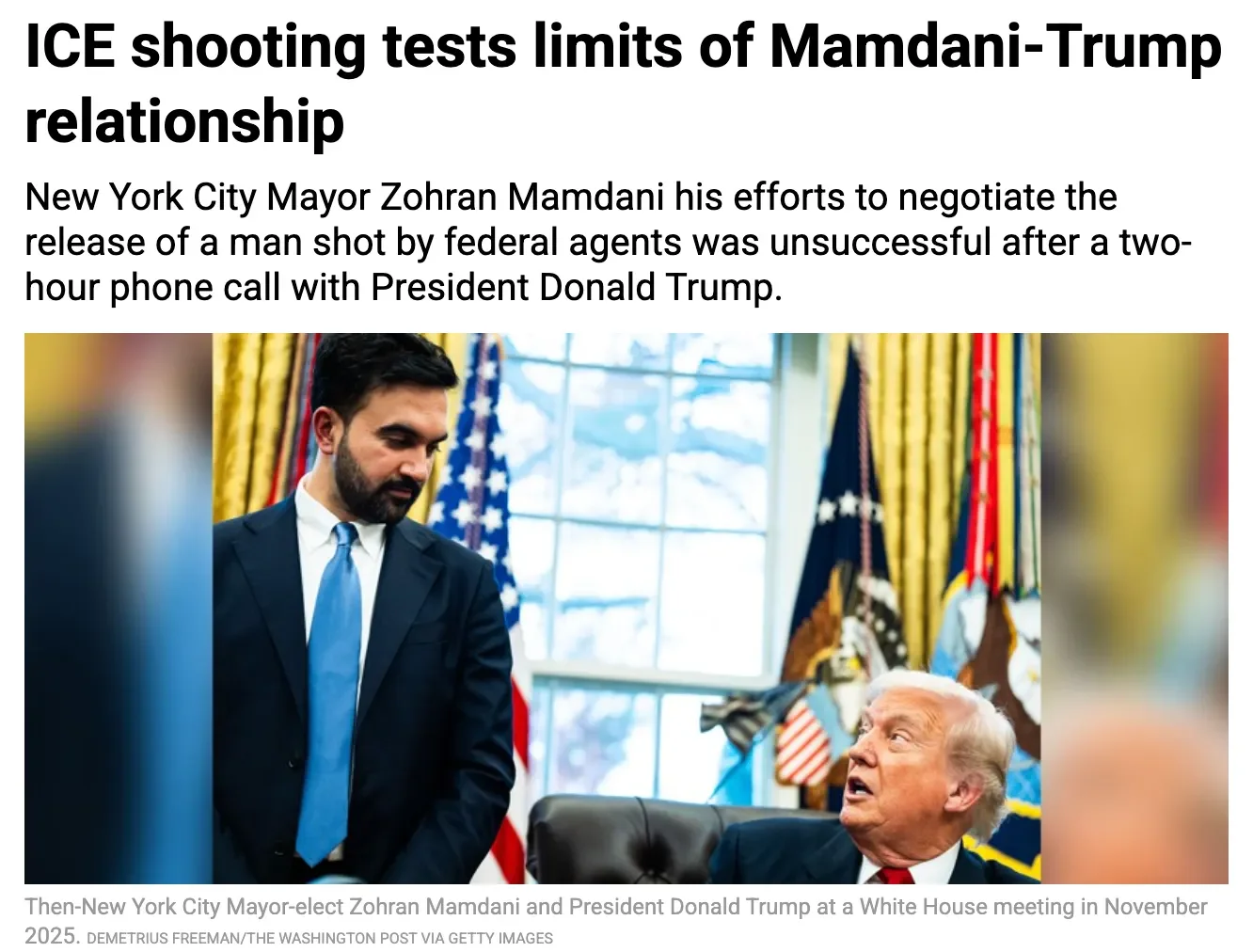
I am not suggesting we shun people whose conduct we oppose. I live in New York and understand, and even expect, Mayor Mamdani to work with President Trump when the city’s interests require it. Community organizations have different obligations, but the same principle applies. Working with someone does not require celebrating their leadership or excusing their conduct.
It is both legitimate and responsible to meet with officials to secure resources for our communities. Accepting public funds for a school does not compromise one’s independence because those resources belong to the people, not the officials who control them. The test is whether we use our access to advance the interests of the Haitian people or allow those in power to use our credibility to advance theirs.
Where Do We Draw the Line?
We cannot build a different Haiti if every disagreement ends a relationship, but I believe that compromise must have limits. We cross them when access, money, relationships, or personal comfort lead us to excuse conduct we would otherwise condemn.
This responsibility weighs more heavily on those of us andeyò. Haitians living in Haiti often accommodate power out of necessity because their safety, livelihoods, or their children’s schooling may depend on the favor of those in charge.
Most of us Haitians andeyò face far fewer of these pressures.
We do not live under the daily threat of armed groups, and our livelihoods are generally not dependent on the goodwill of Haitian officials. If we still choose to honor those who have harmed our people, what is our independence worth if we will not use it to defend our convictions?
These questions are difficult because they involve the people we love. We cannot demand accountability from those in power while treating it as optional for ourselves.
My friends and I may never agree, and I have made peace with that. We will keep having these difficult conversations to understand where each of us draws the line. I will meet with any official when it serves the Haitian people, but I will not honor one whose conduct has harmed our people. That is my red line, and I will not cross it. If holding it costs me some friendships I value, so be it. Others must decide where they draw theirs. I firmly believe that getting a seat at the table is only worth it if we remain free to speak up and hold fast to our values and convictions.