

What We Owe the Women We Love
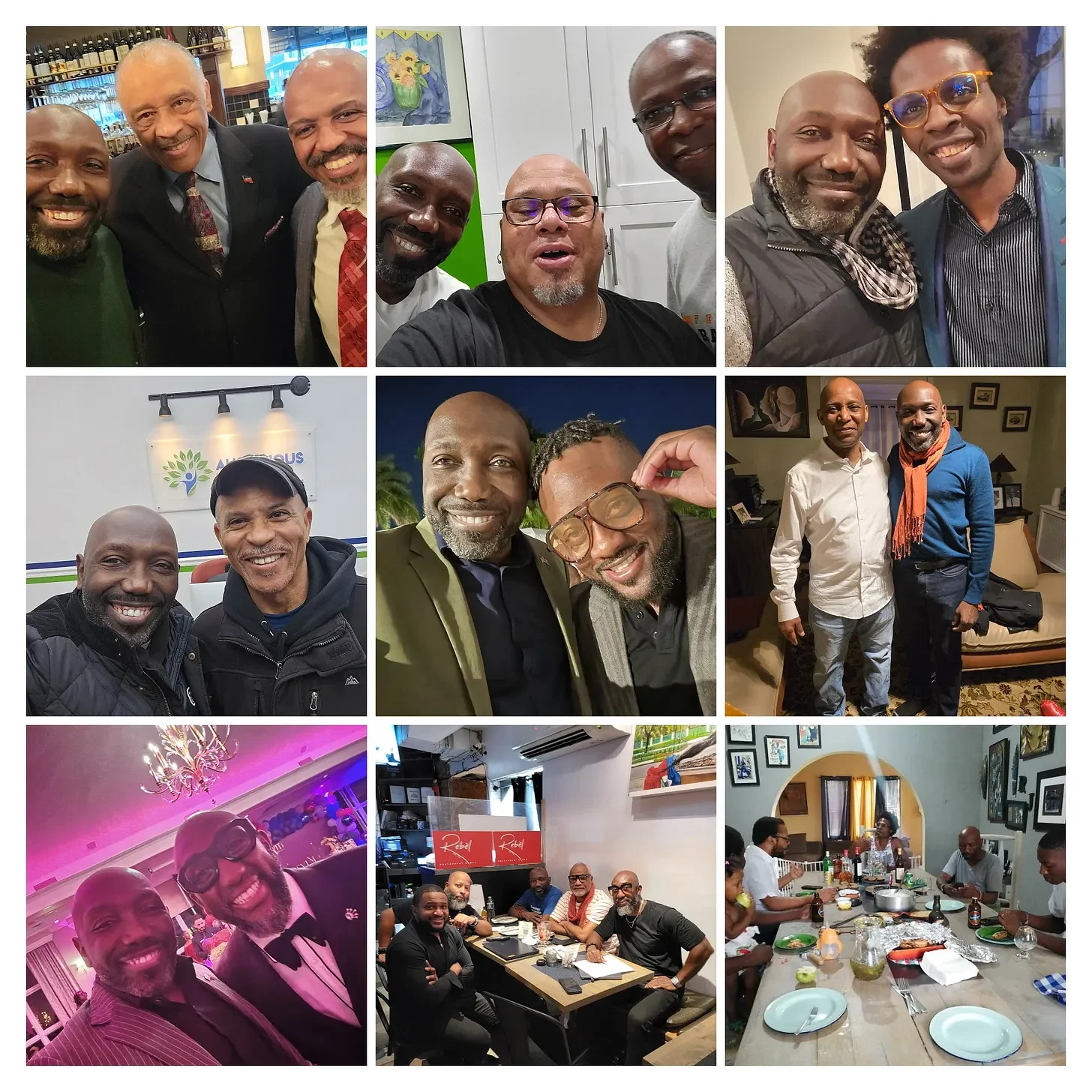
To every mother, grandmother, aunt, sister, and daughter who has carried more than her share with grace, patience, and love: Happy Mother’s Day! You deserve to be celebrated today and protected every day. This piece is written with you in mind and directed at the men in your lives.
I met Nancy Metayer-Bowen in 2018 when I went to Florida to canvass for Dotie Joseph, a candidate for the Florida House of Representatives. Although our paths crossed several times afterward, I got to know her during my volunteer work for the Biden campaign in Florida in 2020. From the first moment I met Nancy, her dedication to service and sincere care for others were not just inspiring, they were infectious. It was clear she was destined for great things. She carried a calm demeanor and had a talent for making others feel comfortable. On the tragic day she passed away, I was invited to a community policy development meeting in which she was scheduled to participate.
I wouldn’t say I was close enough to Nancy to consider her a friend, but I knew her well enough to recognize what her family, close friends, and our community have lost.
Today, as we celebrate Mother’s Day, I share this story for all the women in our lives, including those like Nancy who are no longer here, whether they are our mothers, daughters, wives, or sisters. Out of love for all women, this message is particularly directed at men, especially Haitian men. It reflects on what we have inherited, what we have permitted, and what we have the potential to become.
The Crisis in our community is in plain sight
In April 2026, Shamar Elkins fatally shot seven of his children and wounded his estranged wife in Shreveport, Louisiana. That same month, Justin Fairfax, former Lieutenant Governor of Virginia, shot and killed his wife, Dr. Cerina Fairfax, then took his own life in the presence of their teenage children. Also in April 2026, Eddie McCollum was arrested for killing his wife, Pastor Tammy McCollum, the day after her Easter sermon. In February 2026, Caleb Flynn was charged with shooting his wife in Ohio and staging a home invasion to cover up the crime. And in 2009, Mesac Damas murdered his wife and five children in Naples, Florida, a massacre so horrific that Haitian churches and community organizations began hosting domestic violence workshops in Creole for the first time.
We often attribute men's behavior to stress, pressure, and frustration. While these factors are true, they don't fully explain our actions. We also need to acknowledge that, at times, it is other women and even victims of abuse themselves who minimize what women go through.
According to the World Health Organization, 23 percent of ever-partnered Haitian women who have been in a relationship have experienced physical or sexual intimate partner violence in their lifetime — and most survivors never report it. At the core of this pattern is a belief held by far too many men that we have the right to exert authority over women, including through force.
The armed gangs in Haiti have used rape as a tool of territorial control, turning women’s bodies into battlegrounds. This is neither new nor unique to Haiti. In Rwanda, Bosnia, the Democratic Republic of Congo, Sudan, and Ukraine, sexual violence has been systematically deployed as a weapon of war, humiliation, and domination. Men have used women’s and girls’ bodies as instruments of conquest since time immemorial. Domestic violence is rooted in the same corrosive idea that force gives men the right to dominate, punish, and control.
In Haiti, violence against women often becomes publicly visible only when it reaches spectacular levels of brutality. The quieter violence inside homes rarely receives the same national reckoning, even though many Haitian women experience danger not only from gangs and insecurity, but from intimate partners behind closed doors.
Growing up as a man, I observed how strength was often portrayed, how control was confused with care, and how a man’s authority at home was treated as something close to sacred. I acknowledge that we are all steeped in patriarchy, myself included — none of us are exempt. The real question is not whether we were shaped by these ideas. It is whether we can identify them within ourselves, strive to change them, and confront them when we see them in the men around us.
I have heard men dismiss women’s rights as an imported Western concept, something foreign. This excuse endangers women’s lives, and we can no longer tolerate it in our community.
If some of our treatment of women is rooted in tradition, then we must have the courage to root those traditions out.
As Black men, whether in Haiti or the diaspora, our lives are marked by ongoing crises that become a regular part of everyday existence. We are taught, in fact, expected to move quickly from mourning to action, which means no time to grieve or reflect. This lack of reflection is not neutral — It leaves wounds that settle deep within us. I believe we need to pause and confront the demons, so they don’t hover over the next generation.
The Men We Can Still Become
None of this means we are unique or broken. However, we are responsible for our actions, even within the conditions we inherited. We often know what is happening or have seen the signs, yet we have chosen to look away. We have told ourselves it was not our business. As Desmond Tutu said, “If you are neutral in situations of injustice, you have chosen the side of the oppressor.” That means when we do not check our brothers, we become part of what they do.
I am a member of the Haitian Men’s Network because I believe we can do better and be better. It is a space where Haitian men can speak honestly about what we have inherited, normalized, survived, and must unlearn. It is also a space we are building together so men can be present to ourselves, to each other, and to the community we say we love.
The work we intend to do within the Haitian Men’s Network requires more than social media commentary or symbolic outrage after the next tragedy. It requires presence, collaboration, and accountability. It requires men willing to sit with discomfort long enough to confront how violence, silence, domination, and emotional absence continue to shape too many of our homes and relationships.
My ask today is simple: come to one meeting and bring another Haitian man with you. Contact me via email [johnny.celestin@me.com] if you would like to join the conversation on Tuesday, May 26th at 6 PM.
The silence we have kept has already cost us too much.
Today is a day to begin doing things differently. Look at the woman who raised you, who loves you, who stands beside you. Tell her what she is owed. Wish her a Happy Mother’s Day.
Women, know that you deserve to be celebrated today and protected, respected, and valued every single day. Happy Mother’s Day!