

As the Global System Crumbles, Haiti Remains Unprepared
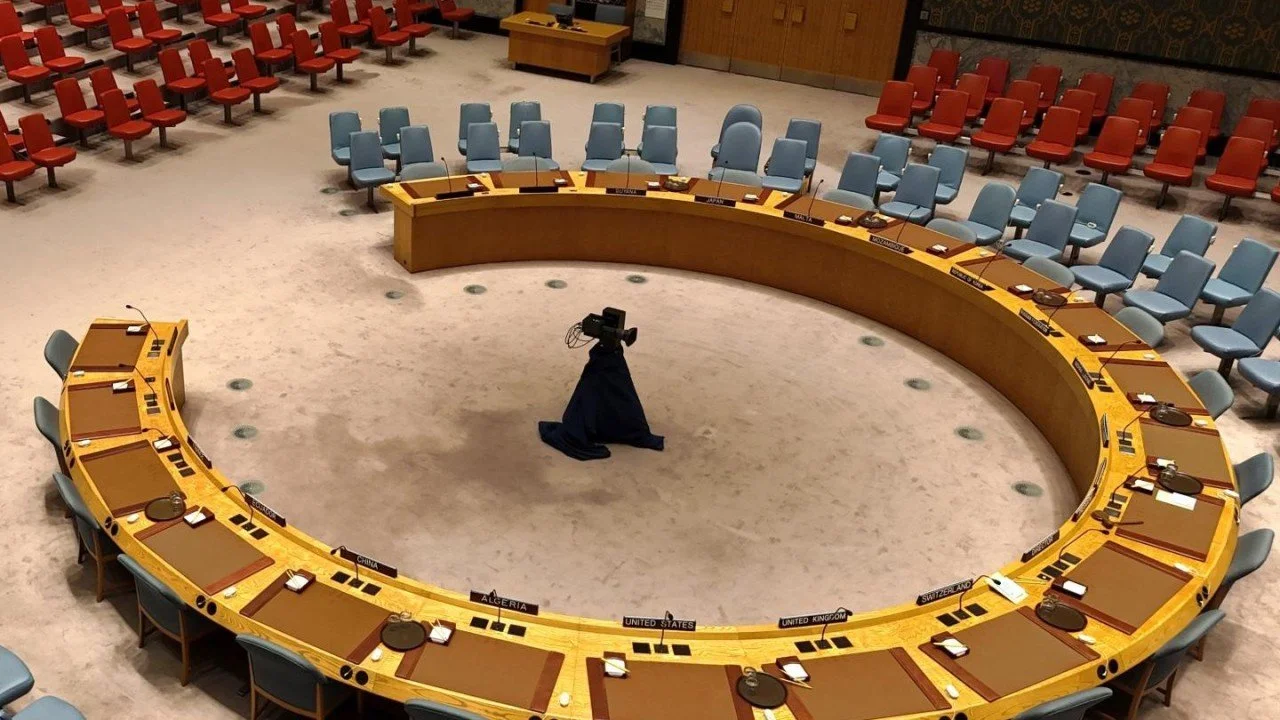
The Trump administration has just canceled the CHNV program (Cubans, Haitians, Nicaraguans, and Venezuelans parole program) and announced its intent to deport hundreds of thousands of Haitian nationals. At the same time, it is carrying out one of the largest humanitarian withdrawals in modern history. The administration has cut its funding to the World Food Program, which will impact the agency’s ability to respond to crises around the world. These cuts will be felt in Haiti, where 2.3 million Haitian children depend on its services. The US has withdrawn its membership from the United Nations High Commissioner for Refugees. In the meantime, Haiti has more than a million people who are now internally displaced across the country. As gangs tighten their grip and commit widespread human rights abuses, the United States has withdrawn from the UN Human Rights Council, eliminating one of the few remaining mechanisms for international oversight.
Many in our community have long denounced these international programs as tools of oppression, calling for their removal or elimination. However, now that they are being deconstructed, we have made no serious effort to establish Haitian institutions in their place. This should be a moment of reckoning, yet we remain focused on denouncing problems rather than creating solutions.
The Return to Raw Power
The international rule-based order was never fair to Haiti and other smaller countries. We know this intimately. The UN brought us cholera with no compensation. USAID empowered consultants over communities. The Organization of American States failed to defend our democracy when it mattered most. Yet even an unjust referee provided something essential: predictability.
Haiti was a founding member of both the UN and the OAS—institutions that, for all their flaws, operated within established frameworks. Now the United States is abandoning the multilateral system it once championed, opting instead for bilateral deals grounded in raw political and economic dominance. Tariffs—once believed to have been created to only target Haiti’s rice farmers—are now wielded indiscriminately against U.S. allies and rivals alike to extract concessions that will supposedly Make American Great Again.
The Trump administration’s approach is a return to this kind of raw leverage.
This shift follows a historical pattern. In How Rich Countries Got Rich and Why Poor Countries Stay Poor, economist Erik Reinert explains how dominant nations have always secured their position through strategic economic warfare. In 1651, King Charles II passed the Navigation Act, deliberately cutting Dutch traders out of English colonies, not as a random policy, but as a calculated move to tilt the global economy in England’s favor. The wealth of today’s richest countries was built on the systematic underdevelopment of others.
The Trump administration’s approach is a return to this kind of raw leverage. As the international system is deconstructed and no replacement is in sight, Haiti faces the consequences of having made no plan of our own.
The Sovereignty We Say We Want
For over a decade, I’ve debated with fellow Haitians about responsibility for our country’s collapse. We’ve blamed France, the United States, the UN, and global capitalism—often with good reason. My fellow panelists at yesterday’s Haitian Diaspora Patriotic Congress rightly criticized the system of imperialism, and I share that anger.
We are eloquent in naming the source of our suffering.
But what troubles me is how little attention we pay to our actions, and how we might systematically address the scourge of Haitians killing Haitians. We are eloquent in naming the source of our suffering, but we offer no coherent plan to overcome it. When I argue that we must look inward, I face steep resistance. I understand that it's easier to condemn injustice than to confront our role in perpetuating it, but our lack of action leaves us vulnerable to the worst of human instincts.
Self-determination must be the antidote.
My perspective doesn’t absolve foreign actors; it challenges us to be realistic and strategic. If imperialism is the poison, then, in my view, self-determination must be the antidote. I am simply not built to only see problems without offering solutions. The concept of self-determination requires more than slogans. It demands the unglamorous work of building institutions, coordinating resources, and making tough choices about priorities.
As I’ve written in Missing the Forest for the Trees and A More Nuanced Conversation on Gun Trafficking, Haiti’s collapse is not only about foreign interference. It’s about domestic complicity. The people arming gangs, trafficking weapons, and sabotaging reforms are Haitian. The politicians who have repeatedly chosen personal enrichment over national development are Haitian. Unless we confront this domestic failure, the collapse of international support won’t free us, it will expose us to even greater vulnerability.
We are experts at outrage but amateurs at accountability. We cling to grievance narratives while avoiding harder questions about our role. From Soukar to Ezili Dantò to my fellow panelists—all critics of American imperialism—we wash, rinse, and repeat the same cycle of outrage. I am most disappointed when I hear younger Haitian voices uncritically recycling Clinton-era critiques, while older ones continue claiming that today's violence is orchestrated entirely by outsiders. We prefer familiar villains to unfamiliar better angels.
Resistance Without Pragmatism Is Performance
Two beliefs shape everything I write about Haiti. First, Haiti is a single, indivisible country—what happens in the West department affects the North, South, Center, and diaspora alike. Second, we must move beyond our instinct to exclude, which has been our collective weakness.
In No One Is Coming: Haitians Must Save Haiti, I argued that sovereignty means nothing without accountability. In The Speech I Wish I Had Heard on April 3rd, I urged leaders to work with the diaspora to build a national strategy. Before that, in An Open Letter to Prime Minister Conille, I called for broader engagement beyond political elites.
We must take responsibility for our sovereignty
My arguments have consistently urged us to take responsibility for our sovereignty, and this call is more urgent than ever. As international support fades, we must confront an uncomfortable question: has our resistance been more performative than productive? If we genuinely want to reclaim our future, we must build institutions that can both address our immediate needs and tackle the structural challenges that keep us dependent.
I will continue to advocate for solutions to our collective action problem and push for coordinated, systematic efforts that address root causes while meeting immediate needs. The deconstruction of the international system creates an opening for us. However, if Haitian solidarity is to have any real meaning, we must prove we can build for ourselves what no foreign power will ever build for us.